Group therapy
Come for the shared experience. Stay because someone finally said, “same.”
Group therapy gets a bad rap.
We blame Hollywood. And also maybe that one time you were made to go around in a circle and “share your feelings” in front of strangers with fluorescent lights buzzing overhead.
Let us assure you — this is not that.
Our groups are safe, gentle-but-real spaces where you can be fully human with other people who get it.
No icebreakers. No forced bonding. Just real talk, real support, and the occasional group-wide "oh my god, me too.”
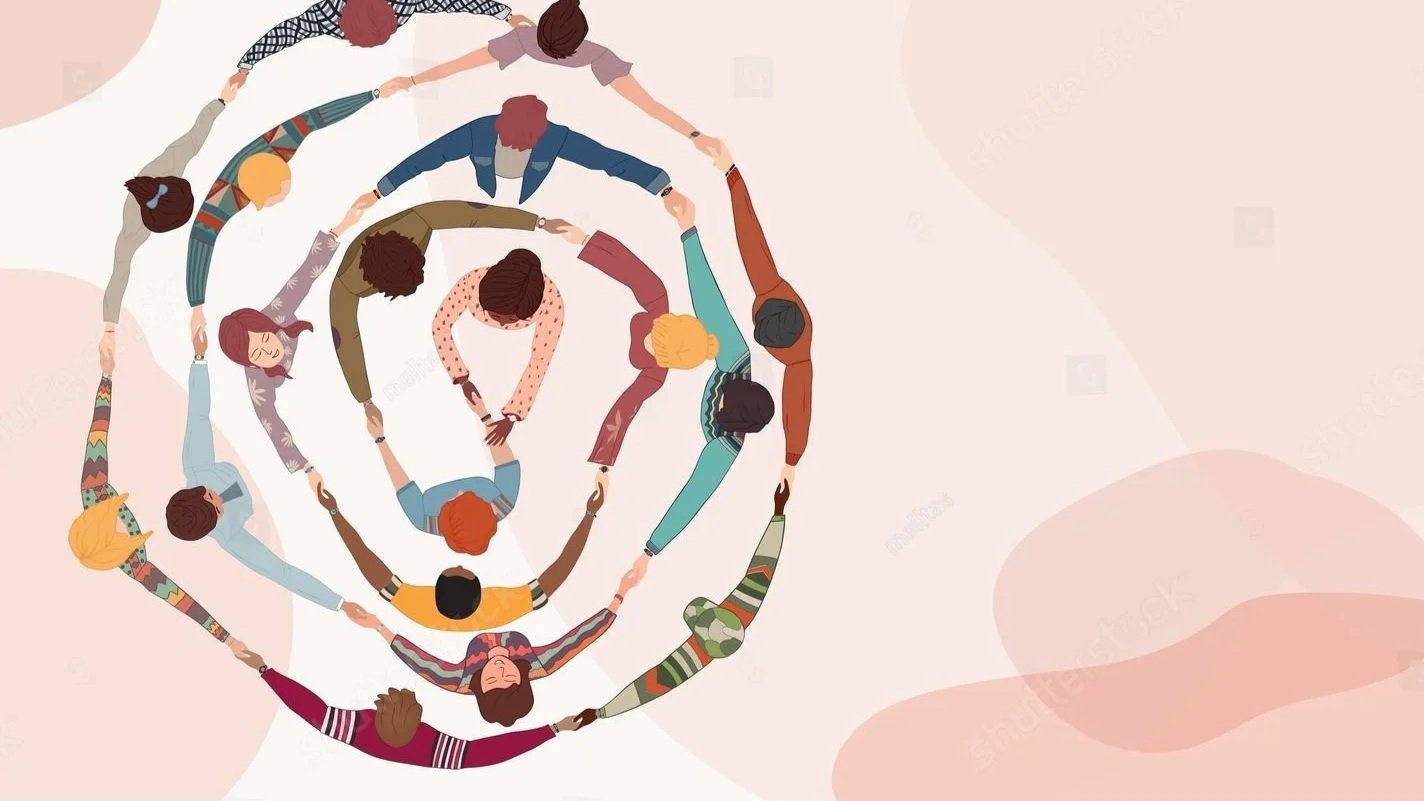
What it actually looks like
Small groups (no more than 10 humans, zero pressure to “perform”)
Facilitated by warm, qualified, moderately funny professionals who know when to guide, when to hold space, and when to gently interrupt someone’s over-explaining spiral
Themes that go deep, with structure, science, and softness
A place to feel seen, not scrutinised — and to opt out if your nervous system says “nope” today
Group themes, discussion prompts, and real tools — not just “sharing time”
Printable worksheets that are actually helpful (or ignorable, we don’t judge)
Enough relatability to make you laugh-snort and cry in the same breath
Why people love group
(even if they swore they wouldn’t)
Because it’s a relief.
Because it’s cheaper than individual therapy.
Because solidarity is medicine.
Because seeing someone else say what you’ve never voiced out loud? That’s healing.
And because sometimes, the thing you need most is to sit in a (virtual or real) circle of people who nod — and mean it.
Group therapy for pelvic pain
We often hear from clients that they feel alone and that very few people understand their experience of living with persistent pelvic pain. But have you thought about group therapy?
This can complement individual therapy nicely, or offer an alternative if you are coming close to using all of your individual session rebates for the year (you may be eligible for an additional 10 group therapy sessions under a Mental Health Care Plan). In the safe therapy setting you can explore your experience of living with persistent pelvic pain alongside others with pelvic pain, and learn strategies and tools to help improve your quality of life
-
Support for women who are experiencing chronic pelvic pain including, but not limited to:
Endometriosis
Adenomyosis
Vaginismus
Vulvodynia
Pudendal Neuralgia
-
10 week program consisting of weekly 2 hour sessions in a non-medical setting.
Given that the current cost of living is impacting a lot of people at the moment, I will be bulk billing these group therapy sessions with a valid GP referral for group therapy (for 10 sessions) under a Mental Health Care Plan (although there are some terms attached to this).
You may be eligible for a GP referral for 10 group therapy sessions under a Mental Health Care Plan in addition to individual sessions.
You are also welcome to pay privately for $45.65 for each session.
There will potentially be two groups running (depending on numbers) - a Monday afternoon and a Saturday afternoon group.
-
The program draws from evidence based therapeutic frameworks for pain including:
Pain education
Cognitive Behavioural Therapy
Acceptance and Commitment Therapy
Compassion Focused Therapy