

Individual Therapy
This is for the woman crying in the bathroom at work because her pain is flaring and no one gets it.
For the neurodivergent soul whose burnout isn’t “just stress” — it’s sensory, systemic, and so damn real.
For the one who’s quietly falling apart at 3am, Googling things like “why do I feel broken” or “how to be a person again.”
This space? It’s for you.
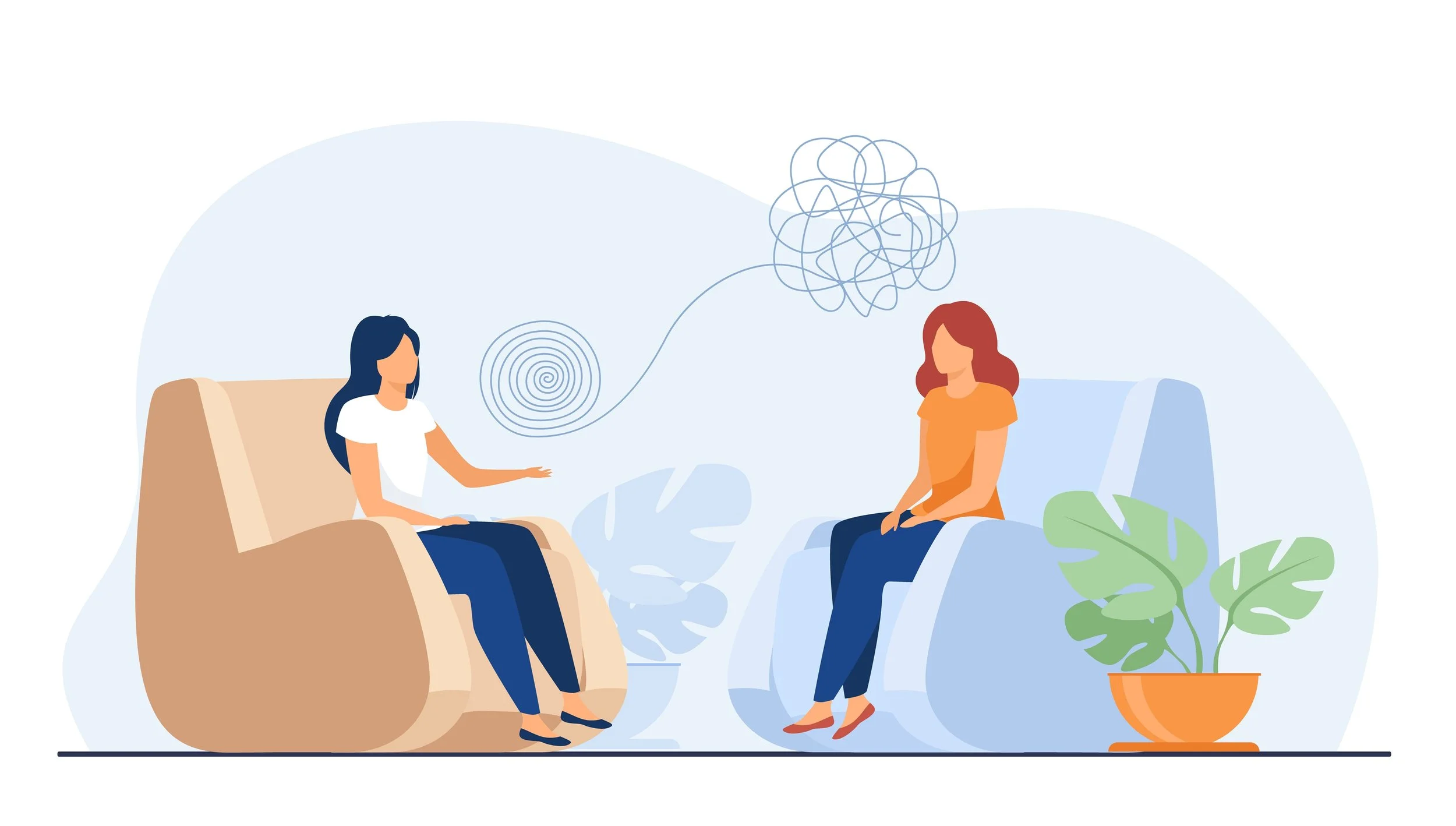
What it looks like
Individual therapy with us isn’t lying on a couch under fluorescent lights while someone nods silently and occasionally says “how does that make you feel?”
(Unless that’s your thing. In which case, we can totally do the couch.)
What we do offer is:
A soft landing and a human therapist who actually gets it
Sessions that centre your lived experience, culture, neurotype, and values
Evidence-based support with zero judgement, all nuance
Collaboration — you’re not being “treated,” you’re being met
We work flexibly, gently, and at your pace — whether you’re showing up with a five-point plan or just dragging your exhausted self through the door whispering “help.”
Our focus
-
Living with chronic pelvic pain is so much more than a physical experience — it can affect how you move through the world, how safe you feel in your body, and how connected you feel to others. Often invisible and misunderstood, pelvic pain can be compounded by medical trauma, invalidation, and exhaustion from trying to explain “how bad it really is.”
In our work together, you’ll find a space that’s attuned to the nuances of pelvic pain — whether it’s endometriosis, adenomyosis, vulvodynia, pudendal neuralgia, or pain without a clear diagnosis. I integrate trauma-informed, body-aware psychological approaches to help you process the emotional impact, restore trust in your body, gently reconnect with sexuality and identity, and support a more livable relationship with pain. This is slow, compassionate work — and you don’t have to do it alone.
-
Living with a chronic health condition often means navigating a world that wasn’t built for your needs. From fluctuating symptoms to feeling unheard, relentless fatigue to the grief of changed plans — it’s a layered experience that impacts your mind, body, relationships, and identity.
I also work with those living through diagnostic limbo, medical trauma, or the emotional weight of not feeling believed.
In our sessions, we make space for the toll that chronic illness takes — physically, psychologically, and relationally. We might explore pacing, identity shifts, boundary setting, the impact of flare-ups, and how to hold hope while managing uncertainty. This is a space that understands nuance and complexity — where your experience will be met with care, not minimised or pathologised.
-
If you live at the intersection of neurodivergence, connective tissue disorders, and chronic pain — you are not imagining it, and you're not alone. Research is only beginning to catch up with what many already know: that autistic and ADHD individuals are more likely to experience conditions like EDS and chronic pain, and that traditional models of care often fail to consider this overlap.
I provide neuroaffirming care that respects sensory profiles, executive functioning patterns, interoceptive differences, and the need for tailored, flexible support. This space is for unpacking the cognitive and sensory overwhelm, exploring emotional regulation tools that actually work for you, and finding language that helps you make sense of your body and mind. There is no expectation to mask, explain, or edit who you are.
-
Whether you’ve recently discovered you’re neurodivergent — or have known for some time but are still making sense of what that means — this is a space to gently explore your experience with curiosity and care.
You might be navigating a new diagnosis (like ADHD or autism), exploring self-identification, unmasking after years of camouflaging, or trying to understand the ways your nervous system responds to the world. Therapy can help you make sense of your patterns, sensory sensitivities, energy rhythms, social needs, and ways of thinking — without pathologising them.
Together, we can explore your story at your pace. We might talk about the emotional impact of feeling misunderstood, trauma from earlier care experiences, internalised ableism, or strategies to support executive functioning, boundaries, and self-advocacy.
This is a neuroaffirming space where you don’t need to translate, mask, or explain away who you are.
-
Sexuality can be one of the most tender, complex, and emotionally charged parts of our lives — especially when pain or discomfort enters the picture. Whether you’re navigating conditions like vaginismus, vulvodynia, endometriosis, or pain that hasn’t yet been diagnosed, you deserve care that honours both your body and your story.
In this space, we explore the physical, emotional, relational, and psychological layers of sexual pain. This might include unpacking trauma (including medical trauma), understanding the nervous system’s protective responses, processing grief or disconnection, and finding safe ways to reconnect with your body, pleasure and intimacy.
We also make room for growth — supporting not just the reduction of pain, but the reimagining of what sexual flourishing can mean for you. Your sexuality is not broken. Your body is not the problem. You deserve safety, autonomy, and joy in this part of your life.
-
For some people pregnancy is a lovely time, and for others there can be some bump parts along the way. Sometimes people have challenging additional health concerns during this time (for example hyperemesis gravidarum, gestational diabetes, pelvic pain). Sometimes people notice they become anxious or feel flat or low during pregnancy. Sometimes people have worrying thoughts that they’ve never had before. I would love to support you during this time.
Also, let’s be honest, adjusting to becoming a new parent can be tough! There are lots of new things to learn and a new human to get to know. This can also be the case with adjusting from being a mum of 1 to 2, 2 to 3 and so on. I have additional training in this area and would love to support you to find your feet as a new mum or dad.
-
Our team have additional training in the space of pregnancy loss and the difficult decisions that can be made to end a pregnancy. This can include situations where:
You have experienced the loss of a baby at any gestation
You have made the difficult decision to end a pregnancy due to fetal abnormality or for your own medical reasons
You have decided to end a pregnancy for reasons that are personal to you.
-
Hyperemesis Gravidarum is not just “bad morning sickness.” It’s a relentless, often traumatising condition that can impact every aspect of life — your body, your relationships, your work, your mental health. The isolation of being dismissed or misunderstood by healthcare providers, family, or friends can make the experience even harder.
Psychological support during or after HG is about reclaiming safety and reprocessing trauma. We might explore how HG has shaped your relationship to food, your body, future reproductive decisions, or your sense of identity. Whether you’re still in the thick of it or years post-HG, your experience is valid — and it deserves care and compassion.
-
Support during the experience of infertility and associated fertility treatments. This can be a challenging time and can often feel quite lonely. We provide support to navigate the difficult emotions that arise during this process and help to find ways to manage them.
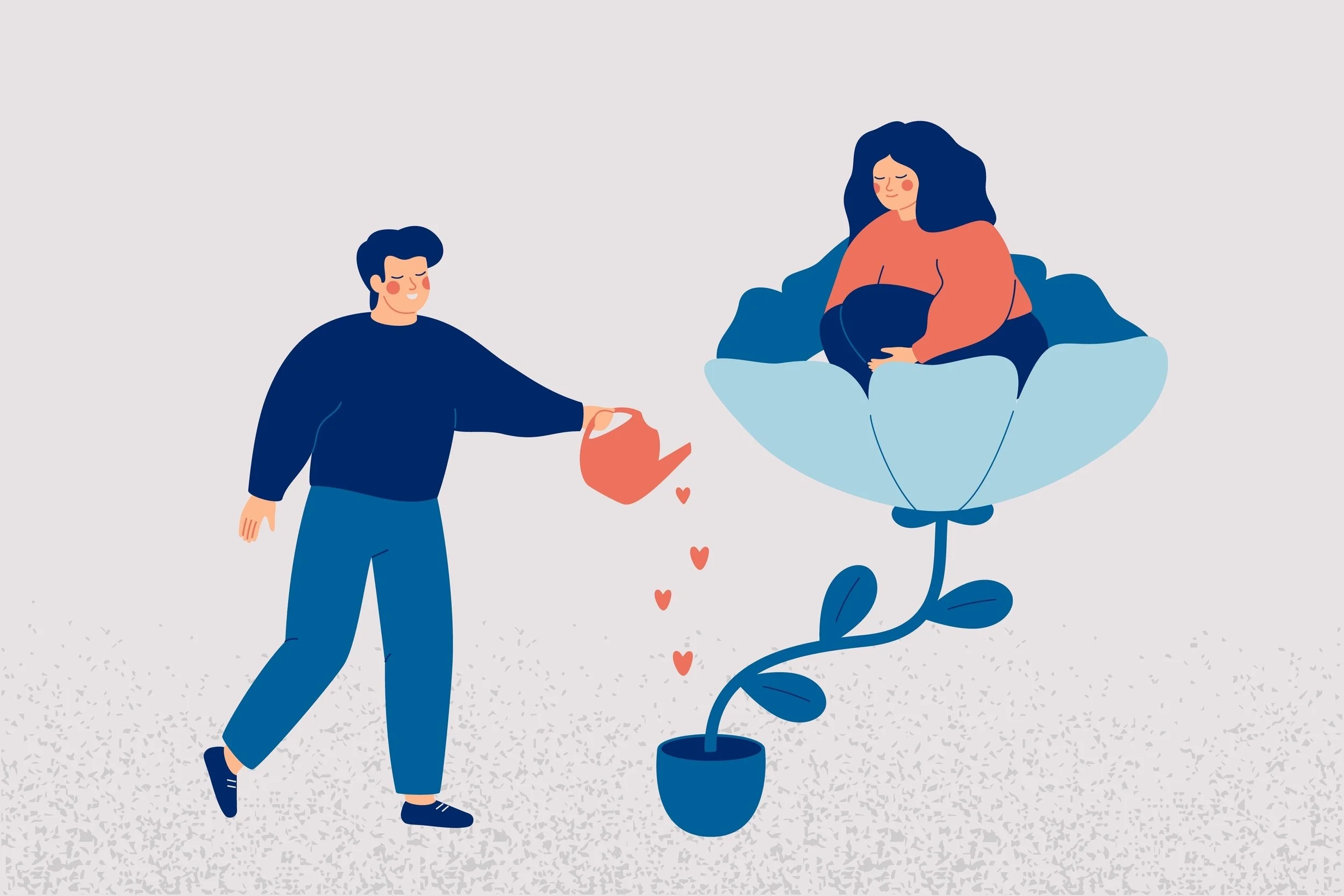
Therapy, but make it real
We’re not here to pathologise your brilliance.
We’re not going to throw a worksheet at your nervous system and call it progress.
We are going to hold space for all your contradictions, offer tools that actually fit, and gently challenge the stories that were never yours to carry in the first place.
Sometimes therapy looks like deep reframes and healing old wounds.
Sometimes it looks like learning to rest without guilt and eat lunch before 3pm.
Either way — it’s all valid, and you don’t have to do it alone.